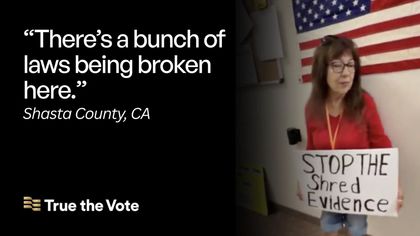
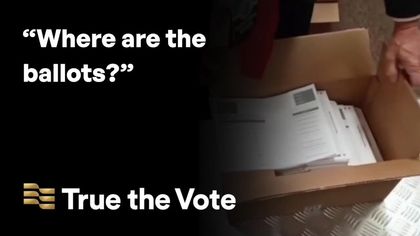
| | Read Online California just passed three laws to protect election records. None of them stopped Saturday. Highlights: - Shasta County's shred: What happened to the November 2024 election materials, despite legislation, an open records request, and a pending court hearing.
- The 22-month clock: Why California's ballot retention deadline matters, and which election records have different rules.
- Four bills worth watching: California and Congress move to protect election materials—but who gets access, and when?
- The next deadline is already ticking: What voters can do now to preserve records, demand answers, and document concerns before 2028.
- How this affects you and what you can do about it
|
Hi Friend, The shredding company pulled up to 1643 Market Street in Redding at 8:00 a.m. Saturday. By 11:48 a.m., it was gone. All of it. Eyewitnesses were there, and we have the footage. Four days earlier, the Registrar of Voters, Clint Curtis, had stopped the shred himself. He opened 10 sealed ballot boxes and found log sheets in seven of them. Under the county's own reading, records like that belong in a separate file, and have a longer retention period. Instead, they were sealed in the boxes with the ballots. One brave witness' footage shows them going into the shred along with everything else. A records request was still open. A lawsuit over the requested records had a hearing set for October 6, three days after the shred. The judge wouldn't hear the emergency petition before the truck arrived. The county's justification comes down to one deadline: 22 months. California Elections Code § 17301 requires sealed ballot packages to be destroyed 22 months after an election unless someone has filed a contest or a criminal case. For November 2024, the 22 months ran out September 5. County Counsel told supervisors that keeping the materials any longer broke the law, and the Secretary of State told the registrar to go ahead. The trouble is that § 17301 covers sealed ballot packages. It doesn't cover logs, batch sheets or observer sign-in sheets, which all have a longer retention period Those "Tier 2" or "Category 2" materials run on their own retention rules. For some of them, the code says they "may" be destroyed after 22 months, which isn't the same as shall. In Shasta, those records were sitting in the same boxes as the ballots. Our footage shows every one of them going into the truck. Here's the twist. Just two weeks before the shred, Governor Newsom signed new laws expanding protections for California election records and voting equipment.  Access the full bill tracker Access the full bill tracker |
CaliforniaSB 1418 — Preservation of Election Materials- Issue: Expands protections against removing election materials and certified voting technology from election officials' custody. Also broadens the materials that must be preserved when a qualifying election contest or criminal prosecution is underway.
- Status: Signed September 19, 2026 (Chapter 341). Urgency statute, effective immediately. Passed the Senate 37–0 on April 27 and Assembly 60–13 on August 20. Senate concurrence passed 30–10 on August 27. Authored by Sen. Sabrina Cervantes.
- Next Action: None. The law is in effect for the November 3 election.
- The stake: The law expands preservation requirements when qualifying legal proceedings are underway. But it doesn't eliminate California's existing destruction deadlines. Without an applicable preservation obligation, election materials can still reach the end of their required retention period. Shasta County shows why knowing those deadlines matters.
AB 1664 — Notice of Warrants and Subpoenas for Election Records- Issue: Requires local agencies and election officials to notify California's Secretary of State and Attorney General immediately, but no later than one calendar day, after learning of covered warrants, subpoenas or law enforcement investigations involving the search, seizure or retention of election records or certified voting technology. Authorizes either state office to challenge warrants or subpoenas in court.
- Status: Signed September 19, 2026 (Chapter 336). Urgency statute, effective immediately. Authored by Assemblymembers Corey Jackson and Marc Berman. Provisions sunset January 1, 2030.
- Next Action: None. Applies to the November 3 election.
- The stake: California's top election and law enforcement officials now receive rapid notice of covered investigations involving election materials and can seek court intervention. That could lead to legal challenges over access to records, including those sought by federal investigators. Notification itself does not automatically block a subpoena.
AB 282 — Felony for Seizing Election Materials Before Certification- Issue: Establishes felony penalties for seizing, causing or assisting in the seizure of ballots, election records or certified voting technology before election results are certified, subject to statutory exceptions.
- Status: Signed September 19, 2026 (Chapter 330). Urgency statute, effective immediately. Authored by Asm. Gail Pellerin, a former Santa Cruz County registrar. Penalties can reach three years for prohibited seizures and four years for certain supervisory directions to seize.
- Next Action: None. The law is in effect.
- The stake: California has strengthened criminal penalties for certain seizures before certification. But restricting seizure isn't the same as guaranteeing public access or independent examination. Separate laws still determine how long election materials are preserved and who can inspect them.
CongressS. 5124 — SHIELD Our Elections Act- Issue: Would restrict state and federal law enforcement from seizing covered federal election records, papers or equipment before recounts, audits and legal challenges are conclusively resolved. A federal judge could authorize seizure upon clear and convincing evidence that the materials are at risk of destruction, subject to joint-custody requirements.
- Status: Introduced July 23, 2026, by Sen. Alex Padilla with seven cosponsors (six Democrats and one independent). Referred to Senate Rules and Administration. No subsequent committee action identified.
- Next Action: No hearing or vote scheduled in the records reviewed.
- The stake: The bill would place additional restrictions on when investigators can seize federal election materials. It includes an exception when destruction is a demonstrated risk, but even then, custody would be shared. Shasta County raises a timely question: how can evidence be preserved and independently examined before destruction deadlines arrive?
Watch the discovery footage here 👇👇👇 Shasta County Is the Warning. Your State Is the Assignment.Saturday's shred took 3 hours and 48 minutes, and the 2024 materials aren't coming back. Every state has laws governing how election records are stored, who can access them, and when they can be destroyed. And lawmakers across the country are introducing legislation that could change those rules. Do you know what your state requires? Head to LegiTrack and start digging. Search for legislation involving election records, ballot retention, audits, public access, and election transparency. Find out what's already law, what's being proposed, and where your representatives stand. A new 22-month clock starts November 3. For Shasta and every other county in California, that clock runs out in September 2028. Anything you want to see from this election, you have to request before then, and in writing. You don't have to live in California for this to matter. If this is happening in a county that the majority of the US hasn't heard of, is it happening in yours? Filter by your state or federally and use the search bar and type in any number of keywords: record retention, election materials, ballot preservation, destruction of records, public records, seizure of records, chain of custody, etc 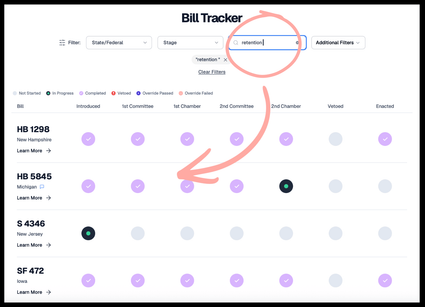 |
Then ask your local election officials the questions that pertain to your area: How long are records kept? Who can inspect them? What happens when someone requests them before they're destroyed? Don't wait until the shred truck pulls up to find out. Shasta County is the story today. Making sure it doesn't become your county's story tomorrow? That's where you come in. Watch the bills. Know the laws. Ask the questions. Get to work. If you see election records being mishandled, moved or destroyed while a request or case is pending, report it to your county elections office, the Secretary of State or law enforcement when necessary. Then tell us at truethevote.org/helpline. Keep a record of all correspondence, along with times, dates and names. "Track. Talk. Transform." isn't just a catch phrase. It's essential. Ever onward - | |