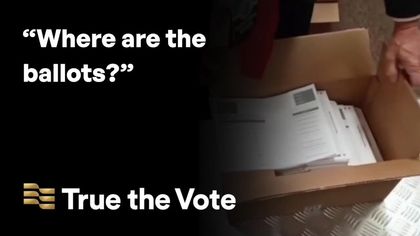
"Shred everything" was the order.

Hi Friend, Ten boxes. All marked for destruction. All supposedly ballots. Seven of them weren't just ballots. That's what eyewitness Arne List, the voice behind "Where are the ballots?", captured while documenting the first ten boxes opened in Shasta County, California. Election logs and other records were mixed in with the 2024 ballots. California Elections Code § 17300 says: “The elections official shall preserve all rosters or combined rosters and voter lists … until five years after the date of the election, after which they may be destroyed by that official.”While certain materials have a 22-month retention period, some may have two years, and even up to five. Even then, destruction is discretionary — nothing in the law says they must be destroyed within that time period. And Arne was standing there when it happened — with his camera rolling. "Shred Everything."This week on TTVN Live, Arne walked us through it. Shasta County Registrar of Voters Clint Curtis has been sounding the alarm about the 2024 ballots for months after several witnesses and whistleblowers came forward. While he did finally reach federal investigators (and thanks to all of you who helped reach out!), the 2026 ballots are currently the ones under investigation — but the 2024 ballots remained sealed and set for destruction. But when Curtis began opening them, he found the logs and records mixed in. At first, the instruction was to set the questionable materials aside. Then that instruction was reversed. The new one? Shred everything. Concerns had been raised and litigation sought preservation, but the shredding went ahead anyway. Arne witnessed it, and he recorded it. Arne chronicled the entire day. It shows everything going into the shredder, including the records — not just the ballots. So now there's more than competing accounts. There are citizens who sought these records via PRAs, footage that can be examined alongside the records, the applicable laws, and the court filings. He Didn't Need a TitleArne didn't hold office or have an appointment. What he had was an understanding of what he was looking at. He knew which questions to ask, and he documented what he could lawfully observe. As we have said many, many times before: observation is power. But observation paired with knowledge is something else entirely. Now think about your own county. How many records get handled every day with no citizen in the room? How many decisions get made and procedures carried out without anyone asking whether the rules are being followed? How many times have we assumed somebody else was watching? You Can't Spot What You Don't UnderstandFor years, we've urged citizens to get involved locally. Become a poll worker. Observe election procedures. Attend county meetings. Learn your state's election laws. Request public records. Ask questions. Arne's story shows why. You can't recognize a problem with a process you don't understand. And you can't document something you never showed up to see. That doesn't mean assuming wrongdoing every time something looks unusual. It means learning the process well enough to tell ordinary procedure from something that deserves a closer look. When questions come up, document the facts, follow the proper channels, and keep the receipts. Start With Your CountyYou don't have to investigate the entire country.
If this is happening in Shasta County, a county that has — up until recently — remained under the radar, it is happening everywhere. Make no mistake. One Link in the ChainArne was quick to remind us that he's one link in a much larger chain of people working together in Shasta County. That's what volunteering is. People have different assignments and different expertise. But every person who shows up makes the effort stronger. You don't have to do everything. You just have to do something. Watch this week's TTVN Live and watch the shredding footage. Share Arne's testimony. Support his legal action. Then ask yourself where your time and talents can make a difference. Somewhere in America, another set of boxes is waiting to be opened that is scheduled to be destroyed. Another process is running with no one in the room. Arne brought a camera. What will you bring? The work isn't glamorous, and it isn't always easy. But it matters. And so do you. God bless you, and God bless America. Ever onward —
“For nothing is secret, that shall not be made manifest; neither any thing hid, that shall not be known and come abroad.” — Luke 8:17
|